What clinics are replacing nurses at check-in with automated vitals kiosks?
An analysis of the trend where clinics are replacing nurses at check-in with automated vitals kiosks, examining the technology, benefits, and patient impact.
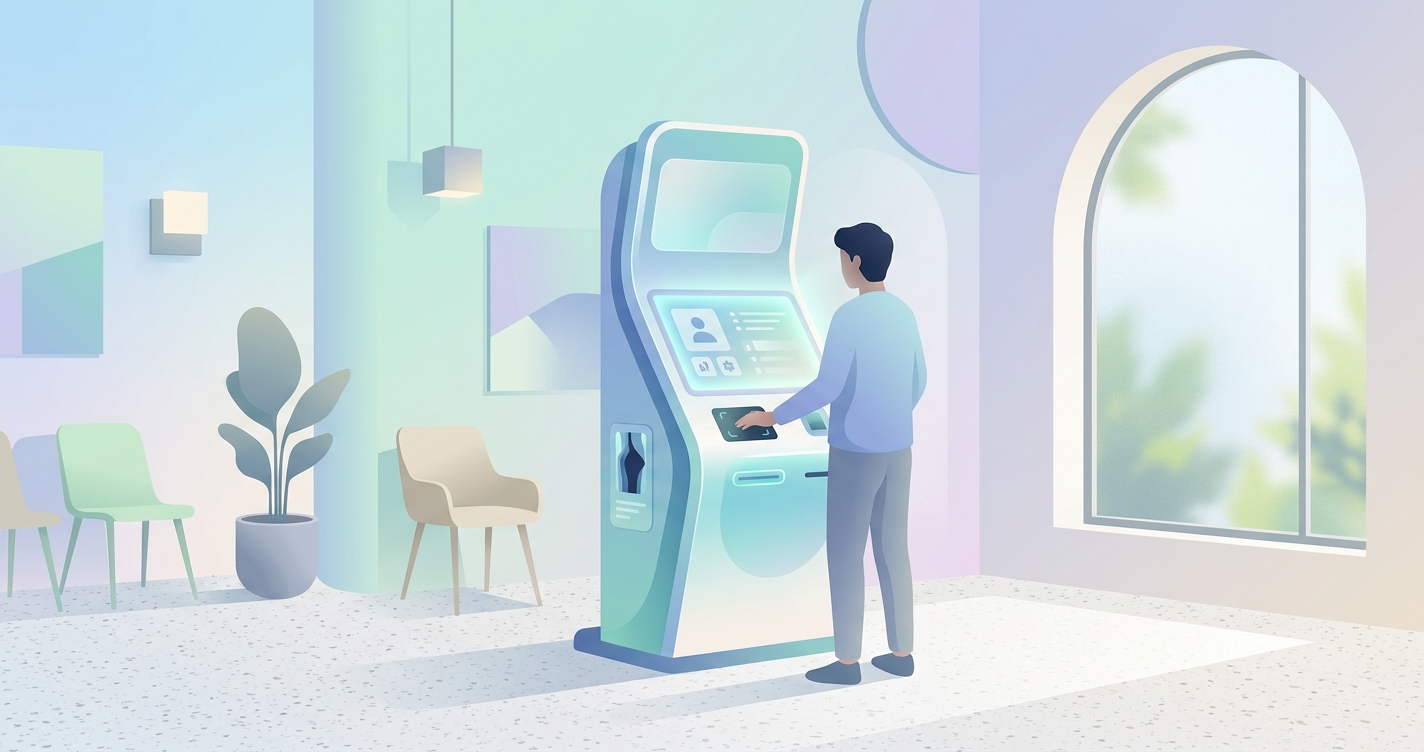
The patient check-in process, traditionally a manual sequence of clipboards and conversations, is undergoing a significant transformation. Driven by the need for greater efficiency and improved data accuracy, many healthcare facilities are now deploying automated kiosks that Handle administrative tasks. Measure vital signs. This has led many patients to wonder which clinics replace check-in nurses with vitals kiosks, and what this shift means for the quality of their care. The move is not just about technology; it represents a fundamental rethinking of clinic workflow, staff allocation, and the initial moments of the patient journey. The global market for these kiosks is projected to double from $1.4 billion in 2025 to $2.8 billion by 2032, signaling a major industry trend.
"The use of self-service kiosks in healthcare is not a futuristic concept but a present-day reality, with studies indicating that they can reduce patient wait times by as much as 30-40%. This efficiency is a key driver of adoption." - Journal of Medical Systems (2021)
The rise of automated vitals kiosks in clinical check-ins
The core reason clinics replace check-in nurses with vitals kiosks is to optimize workflow and reallocate skilled nursing staff to more complex, patient-facing duties. The check-in process, while critical, is repetitive and administrative. Automating it frees nurses from tasks like data entry and routine vitals measurement, allowing them to focus on clinical assessment, patient education, and triage. Research from organizations like the Healthcare Information and Management Systems Society (HIMSS) has consistently highlighted the burden of administrative tasks on clinicians. By automating the collection of vitals such as blood pressure, heart rate, temperature, and SpO2, kiosks provide a standardized and efficient alternative. This ensures that baseline physiological data is captured and recorded in the Electronic Health Record (EHR) before the patient even enters the examination room, creating a more streamlined and productive clinical encounter.
| Feature | Traditional Nurse-Led Check-in | Automated Vitals Kiosk Check-in |
|---|---|---|
| Data Capture | Manual entry into EHR; prone to typos | Direct digital entry into EHR |
| Vitals Measurement | Requires nurse time and equipment | Self-service, integrated sensors |
| Patient Wait Time | Dependent on nurse availability | Reduced; asynchronous process |
| Staff Workload | High administrative burden on nurses | Nurses focus on clinical tasks |
| Data Consistency | Variable based on individual technique | Standardized measurement protocol |
| Patient Throughput | Limited by staff count | Can be scaled with more kiosks |
This transition is supported by several factors:
- Labor Shortages: Persistent shortages in nursing and administrative staff make automation an attractive strategy for maintaining service levels.
- Technological Maturity: Modern kiosks integrate a range of sensors, including contactless options like remote photoplethysmography (rPPG), which can measure heart rate and other vitals from a video stream of the patient's face.
- Patient Acceptance: Studies have shown high rates of patient acceptance for self-service technologies, with many appreciating the speed and privacy kiosks offer.
- Data Integration: Advanced APIs and standards like HL7 FHIR have made it easier to connect kiosks directly to a clinic's core EHR system, ensuring seamless data flow.
Industry Applications
The deployment of automated vitals kiosks is not limited to one type of healthcare setting. The technology is proving to be versatile across various clinical environments.
Large hospital systems
In large hospitals and academic medical centers, kiosks are often deployed in outpatient departments and emergency room waiting areas. They help manage high patient volumes by pre-processing individuals, collecting initial vitals, and flagging abnormal readings for immediate attention. This helps with early triage and load balancing for the clinical staff.
Outpatient and specialty clinics
Specialty clinics, such as those for cardiology or oncology, use kiosks to gather specific pre-appointment data and vitals relevant to the patient's condition. This ensures the specialist has a complete and up-to-date baseline before the consultation begins, making the visit more focused and effective.
Retail and urgent care clinics
Retail clinics located in pharmacies and supermarkets, along with urgent care centers, rely on kiosks for their entire front-office workflow. Here, speed and efficiency are critical to the business model. Kiosks enable a small staff to manage a continuous flow of patients seeking care for common ailments.
Current research and evidence
The accuracy of automated devices is a primary concern. A systematic review published in 2020 by researchers including Dr. Rajdeep Padwal found that many validation studies of public-use blood pressure kiosks did not adhere to established scientific standards, potentially leading to inaccurate conclusions. However, when validated properly, certain devices have proven reliable.
A key study known as BP-CHECK, led by Dr. Gregory Agarwal and published in 2021, compared kiosk blood pressure readings to the clinical gold standard of 24-hour ambulatory blood pressure monitoring (ABPM). The study found that while kiosk measurements could be significantly higher than daytime ABPM readings, their sensitivity for detecting hypertension was high. This suggests that while kiosks are excellent for screening and flagging potential issues, they are not a replacement for clinical-grade diagnostic follow-up. Inappropriate cuff size remains a major issue, as a single-size cuff cannot serve the entire patient population, a point emphasized by the American Heart Association.
The future of unattended clinic check-ins
The trend of automated check-ins is accelerating. The future will likely see the integration of more advanced, contactless sensors. Technologies like camera-based rPPG will allow kiosks to measure heart rate, respiratory rate, and blood pressure without requiring the patient to touch any part of the device. This is More hygienic. Reduces patient anxiety. We can also expect more sophisticated AI-driven software that can perform initial triage based on symptoms and vitals, guiding patients to the right level of care more quickly. This evolution points toward a "smart" waiting room, where the environment itself participates in the care process.
The demand for these advanced capabilities is driving innovation in the underlying hardware and software. Companies creating the next generation of clinical devices are focused on integrating powerful, efficient, and validated sensor technologies. Circadify is at the forefront of this space, providing the embedded systems that power these new health screening experiences. For device makers and kiosk manufacturers, understanding how to integrate these technologies is critical. A detailed overview can be found in our hardware integration guide at circadify.com/custom-builds/clinical-kiosks.
Frequently asked questions
Q: Are check-in and vitals kiosks replacing nurses?
A: No. These kiosks are designed to automate repetitive administrative and data collection tasks. This frees up nurses' time, allowing them to focus on more complex clinical duties like patient assessment, treatment, and education, rather than performing tasks that a machine can handle.
Q: How accurate are the vital sign measurements from a kiosk?
A: The accuracy depends on the specific device and whether it has been independently validated against medical standards. Research shows that while kiosks are very effective for screening, readings should always be confirmed by a clinician, especially if they are abnormal. Factors like correct usage (e.g., proper arm positioning) are also important.
Q: What data do these kiosks collect?
A: Vitals kiosks typically measure blood pressure, heart rate, and sometimes temperature, oxygen saturation, and weight. They also handle administrative data like confirming your identity, updating insurance information, and processing co-payments. All data is handled under the same HIPAA privacy and security rules as any other part of your medical record.