Is it safe to let a waiting-room screen scan my health before my appointment?
An analysis of the safety, privacy, and data security concerns around waiting room health screening devices that use cameras to measure vital signs.
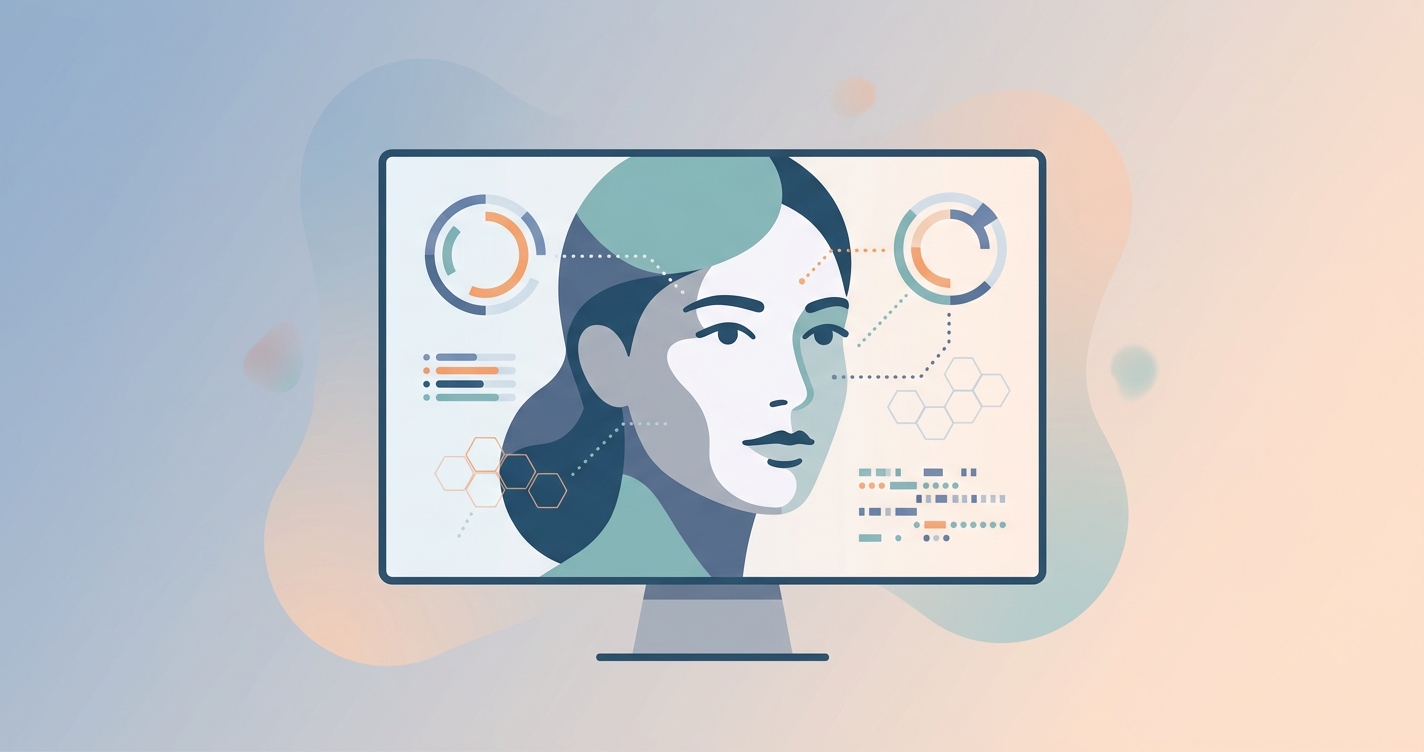
It is an unfamiliar and slightly unnerving experience: you sit down in a clinic waiting room, and a screen-based kiosk prompts you to face its camera for a "health scan." For most people, the immediate questions are "What is this machine looking at?" and "Is this safe?" The concept of a device that can see your vital signs feels futuristic, but for patients and the medical device manufacturers who build these systems, the core issue is trust. The safety of these devices is not about the camera itself, which is harmless, but about the security and privacy of the sensitive data it collects.
"The use of facial videos for rPPG raises privacy concerns because sensitive health information can be inferred without consent. Privacy breaches in facial video recordings can hinder advancements in telemedicine and limit the creation of large-scale medical datasets."
- Facial Privacy Protection for Remote Photoplethmography, National Institutes of Health (2022)
A closer look at waiting room health screening device safety
The technology powering most of these contactless screening devices is called remote photoplethysmography (rPPG). It is not a "scan" in the sense of an X-ray or MRI. Instead, a standard digital camera records a short video of a person's face. An embedded algorithm then analyzes the video to detect subtle, imperceptible changes in the color of light reflected from the skin. These changes correspond to the pulsing of blood through the vessels under the skin, allowing the system to calculate metrics like pulse rate, respiratory rate, and blood pressure variability. The primary concerns regarding waiting room health screening device safety are therefore not about physical harm, but about data handling.
Key questions from a patient's perspective include:
- Is the video of my face being stored?
- Who has access to this video and my vital signs data?
- How is this data protected from unauthorized access?
- Is the data being linked to my personal identity and medical record?
For medical device companies, addressing these questions is a fundamental design requirement. It involves implementing robust security measures at every stage, from data capture to processing and transmission, while complying with regulations like the Health Insurance Portability and Accountability Act (HIPAA).
Contactless vs. traditional vitals measurement
To understand the safety implications, it is useful to compare a contactless kiosk to the traditional method of a nurse using a blood pressure cuff and pulse oximeter.
| Feature | Traditional Vitals Measurement | Contactless Vitals Screening |
|---|---|---|
| Physical Contact | High (cuff, finger clip) | None |
| Data Transmission | Often manually entered into an EHR | Digitally transmitted from kiosk to EHR |
| Patient Privacy | Information may be spoken aloud | Data is captured and transmitted silently |
| Data Security | Relies on network & EHR security | Relies on device, network, & EHR security |
This table highlights that while contactless methods improve hygiene and can enhance privacy by avoiding spoken data, they also introduce a new layer of device-level data security that manufacturers must manage.
How device manufacturers secure patient data
Building a secure health screening kiosk requires a multi-layered approach to privacy and security. For kiosk manufacturers and IoT platform providers, the focus is on creating a system that never stores or transmits raw, identifiable video data.
Edge processing and data minimization
This is the most critical component of a secure architecture. The rPPG algorithm runs directly on the device (at the "edge"). The camera's video stream is processed in-memory, used to calculate the vital signs, and then immediately discarded. The raw video is never saved to a hard drive or sent over a network. This principle of data minimization ensures that only the final, anonymous physiological data is handled, drastically reducing the privacy risk.
Encryption Standards
Once the vital signs are calculated, that data must be transmitted securely to the clinic's Electronic Health Record (EHR) system. All data, both in transit and at rest, must be protected using strong encryption standards like AES-256. This prevents any unauthorized party from intercepting and reading the data.
De-identification Protocols
In many workflows, the screening kiosk operates as a standalone measurement tool. The vital signs are displayed on the screen for the patient and clinician, but they are not automatically linked to a specific patient record until a clinician confirms the data. This creates a human-in-the-loop system that prevents data from being incorrectly assigned to the wrong patient file.
Current research and evidence
The accuracy of rPPG technology is a constant area of research and development. While the technology has shown promising results in research settings, its performance can be affected by factors like patient movement, lighting conditions, and variations in skin tone. A 2023 study by Spichiger et al. published in Diagnostics looked at rPPG pulse rate monitoring in cardiovascular disease patients and found a mean absolute error of just over 1 beat per minute compared to ECG, showing strong performance in a specific research context. However, researchers are still working to create systems that perform reliably across all possible populations and real-world environments. For device manufacturers, this means selecting an rPPG engine that is transparent about its performance characteristics and limitations.
The future of contactless health monitoring
The waiting room kiosk is just one application of contactless health monitoring. As the technology matures, it is being integrated into other form factors, from smart mirrors in fitness centers to ambient sensors in senior living facilities. This expansion makes the security and privacy architecture even more important. The protocols being developed today for waiting room health screening device safety are laying the groundwork for a future where secure, privacy-preserving health monitoring is seamlessly integrated into the environment. This future is only possible if patients can trust that their data is being handled responsibly.
Frequently asked questions
Q: Is the camera on a health screening kiosk always recording me?
A: No. In a properly designed system, the camera feed is processed in real-time on the device itself. The video stream is analyzed to extract physiological data and is typically discarded immediately without being stored or transmitted, preserving patient privacy.
Q: Can a waiting room health screening device diagnose a medical condition?
A: These devices are not for diagnosis. They are screening tools designed to collect preliminary data, such as pulse rate and respiratory rate. A qualified healthcare professional must interpret this data and any other clinical information to make a diagnosis.
Q: Is this technology regulated for safety and privacy?
A: Yes, devices that handle patient health information are subject to strict regulations like HIPAA in the United States. These regulations impose requirements for data security, patient consent, and how information can be used and shared. Device manufacturers must build their systems to comply with these rules.
The adoption of contactless screening technologies hinges on the ability of device makers to build secure, reliable, and trustworthy products. Circadify provides a powerful, embedded rPPG engine designed for edge computing, enabling kiosk manufacturers and medical device companies to integrate privacy-centric health screening into their platforms. To learn more about the architectural requirements for building secure contactless devices, explore our Hardware integration guide.