How do I check my dad's vitals on his tablet without buying a monitor?
Explore the science of using a tablet camera to monitor vital signs for elderly individuals, eliminating the need for extra hardware. Learn how rPPG works.
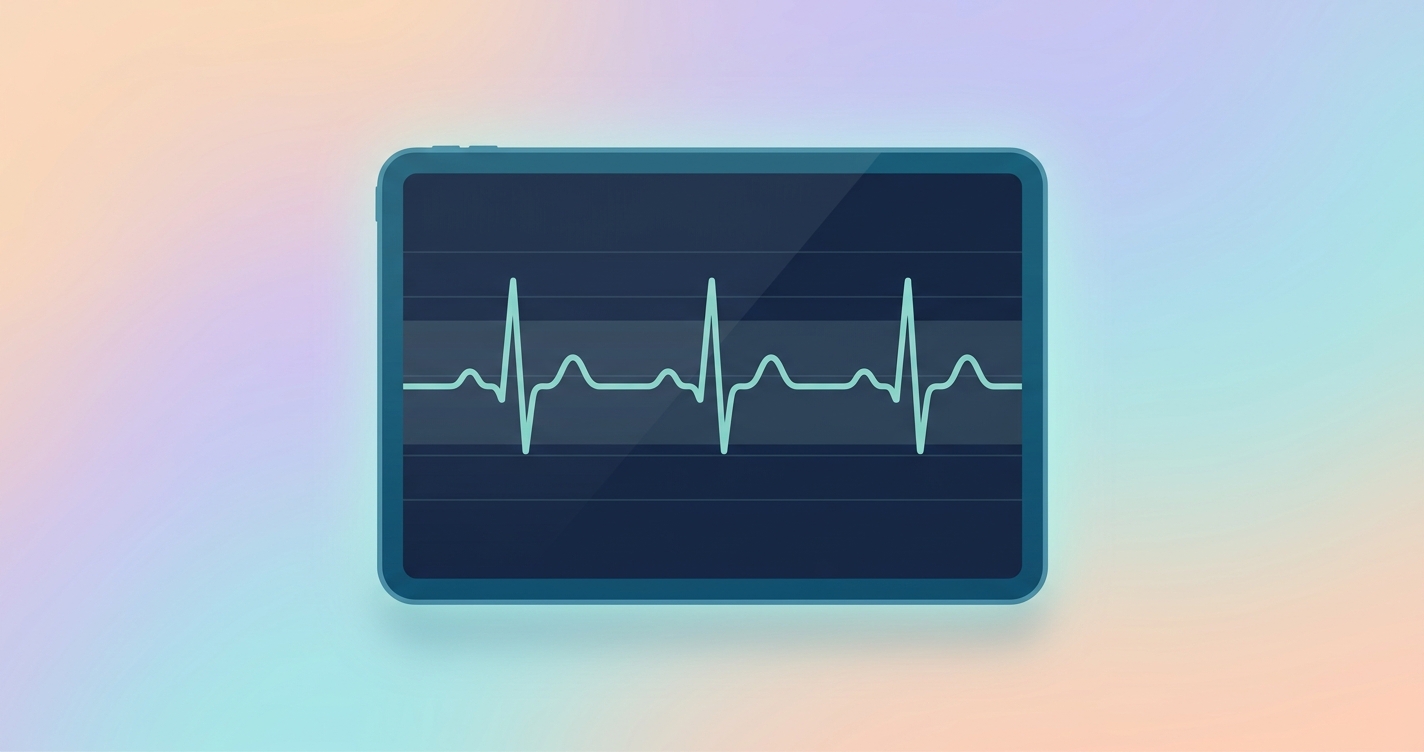
The desire to ensure the well-being of aging parents is a universal concern. For many adult children, this includes monitoring key health indicators, but the practicalities can be challenging. Your dad has a tablet he uses regularly, but adding another dedicated medical monitor to his routine feels like a burden. This raises a critical question for a new generation of caregivers and health technology developers: is it possible to get a reading of his vitals using the tablet itself, with no extra device? The field of using a tablet vital signs no device elderly monitoring system is one of the most rapidly advancing areas in telehealth.
"In 2023, 76% of adults over 55 have used telemedicine services, with remote patient monitoring initiatives demonstrating the ability to reduce hospital readmissions by as much as 76% in some patient groups."
The rise of no-device tablet vital signs monitoring for the elderly
The core technology enabling a tablet to measure vital signs is called remote photoplethysmography (rPPG). It is a camera-based technique that analyzes subtle, imperceptible changes in the color of skin to determine the rate of blood flow. As the heart pumps blood, capillaries in the face expand and contract, causing minuscule variations in how light is reflected. The tablet's camera can detect these variations, and sophisticated algorithms translate them into vital signs like heart rate and respiratory rate. This approach removes the need for any physical contact or dedicated hardware, transforming a standard tablet into a powerful health screening tool. For an elderly individual, this means no new gadgets to learn, no uncomfortable cuffs, and no wires.
The primary advantage is using a device that is already integrated into their daily life. A 2023 survey from LeadingAge highlighted that a significant portion of seniors are already using telehealth services, indicating a growing comfort with digital health. The ability to perform a tablet vital signs no device elderly check turns passive screen time into an opportunity for proactive health awareness. This is particularly crucial for managing chronic conditions, where regular monitoring can provide early warnings of potential issues before they become acute problems.
| Feature | Traditional Monitoring (Cuffs, Oximeters) | Tablet-Based rPPG Monitoring |
|---|---|---|
| Hardware Required | Dedicated, single-purpose devices | Standard tablet with a camera |
| Ease of Use (for User) | Requires handling and proper placement of device | User simply looks at the screen |
| Cost | High initial and ongoing cost for multiple devices | No additional hardware cost; software-based |
| Data Frequency | Episodic; user must initiate each reading | Can be opportunistic or scheduled automatically |
| User Burden | High; requires remembering to take readings | Low; can be integrated into existing routines |
Industry Applications
The integration of rPPG into tablets and other consumer electronics is not just a consumer convenience; it represents a significant shift for multiple industries focused on senior care.
Telehealth Platforms
For telehealth providers, integrating rPPG directly into their tablet applications offers a way to gather objective physiological data during a virtual visit. This enriches the quality of the consultation, giving clinicians a more complete picture of the patient's status without relying solely on subjective reporting.
Senior living facilities
Operators of senior living and assisted care facilities face constant pressure to improve resident care while managing operational costs.
- Embedded monitoring in in-room tablets can provide staff with daily wellness checks without intrusive, manual processes.
- Trends in vital signs can be automatically tracked, with alerts triggered for any significant deviations.
- This allows for more efficient allocation of staff resources, focusing attention on residents who show objective signs of needing it.
Home health services
Agencies providing home health care can use tablet-based monitoring to maintain a connection with clients between visits. An aide could initiate a scan during their visit, or the senior could perform a self-scan, with the data being seamlessly uploaded to a central dashboard for review by a nurse or case manager.
Current research and evidence
The scientific community has been actively investigating the efficacy and limitations of camera-based vital sign monitoring. Research from institutions worldwide has focused on the accuracy of rPPG under various conditions. For example, studies have explored the technology's performance across different skin tones, in various lighting conditions, and during slight movements. A key challenge, as highlighted in several research papers, is signal quality. Melanin in darker skin tones absorbs more light, which can sometimes reduce the strength of the rPPG signal. Similarly, poor lighting or excessive head movement can introduce noise that makes it harder to extract a clean signal.
Researchers like those at the University of South Australia and other academic centers have published numerous papers on these topics, steadily improving the algorithms to account for these variables. A 2022 review published in a leading engineering journal noted that while rPPG has achieved impressive accuracy in controlled lab settings, real-world deployment requires robust algorithms that can handle the unpredictability of a home environment. The consensus is that while the technology is highly promising for wellness and screening purposes, it is not a replacement for medical-grade diagnostic devices used in a clinical setting. The development focus is on reliability for trend monitoring and early detection, not critical care diagnostics.
The future of tablet-based vitals
The trajectory of this technology points toward more seamless and ambient integration. Future systems may not even require the user to actively initiate a scan. The tablet may perform a reading in the background while a user is reading the news, video-calling family, or playing a game. This "ambient sensing" model further reduces the burden on the user and can provide a more holistic view of their physiological state over time. As artificial intelligence and machine learning models become more sophisticated, they will be able to analyze these long-term trends to identify subtle patterns that might precede a health event, offering a truly proactive model of care. The integration of rPPG with other sensors on a tablet, such as the microphone to analyze coughs or voice changes, could provide an even more comprehensive health assessment.
Frequently asked questions
Is this technology for checking vitals on a tablet available today? The underlying technology (rPPG) is mature, but its integration into mainstream consumer tablets for personal health monitoring is still emerging. It is primarily available to device manufacturers and software developers as an engine to be embedded into their products, rather than as a standalone app for consumers.
How accurate is measuring vitals with a tablet camera? Accuracy depends on several factors, including the quality of the camera, the sophistication of the software algorithms, and environmental factors like lighting. Research has shown that in good conditions, rPPG can achieve a high degree of accuracy for heart rate and respiratory rate when compared to standard devices. However, it is generally intended for wellness screening and trend monitoring, not for medical diagnosis.
Does this replace a doctor's visit or a dedicated medical device? No. This technology is a tool for awareness and screening. It can help identify trends or potential issues that warrant a conversation with a healthcare professional. It is not a substitute for a medical diagnosis or the use of medical-grade devices prescribed by a doctor for managing a health condition.
This shift toward using existing hardware for health monitoring is a significant development for device manufacturers and platform providers. For companies building the next generation of clinical kiosks, telehealth platforms, or senior care technology, integrating a robust rPPG engine is becoming a key differentiator. Circadify is at the forefront of this space, providing the tools necessary to embed contactless vital sign monitoring into a wide range of hardware. To learn more about the technical requirements and integration process, see our Hardware integration guide.