5 Signs It's Time to Upgrade Your Patient Intake Process
Discover the 5 signs your clinic is relying on an outdated patient intake system and learn how modern self-service vitals kiosks solve waiting room bottlenecks.
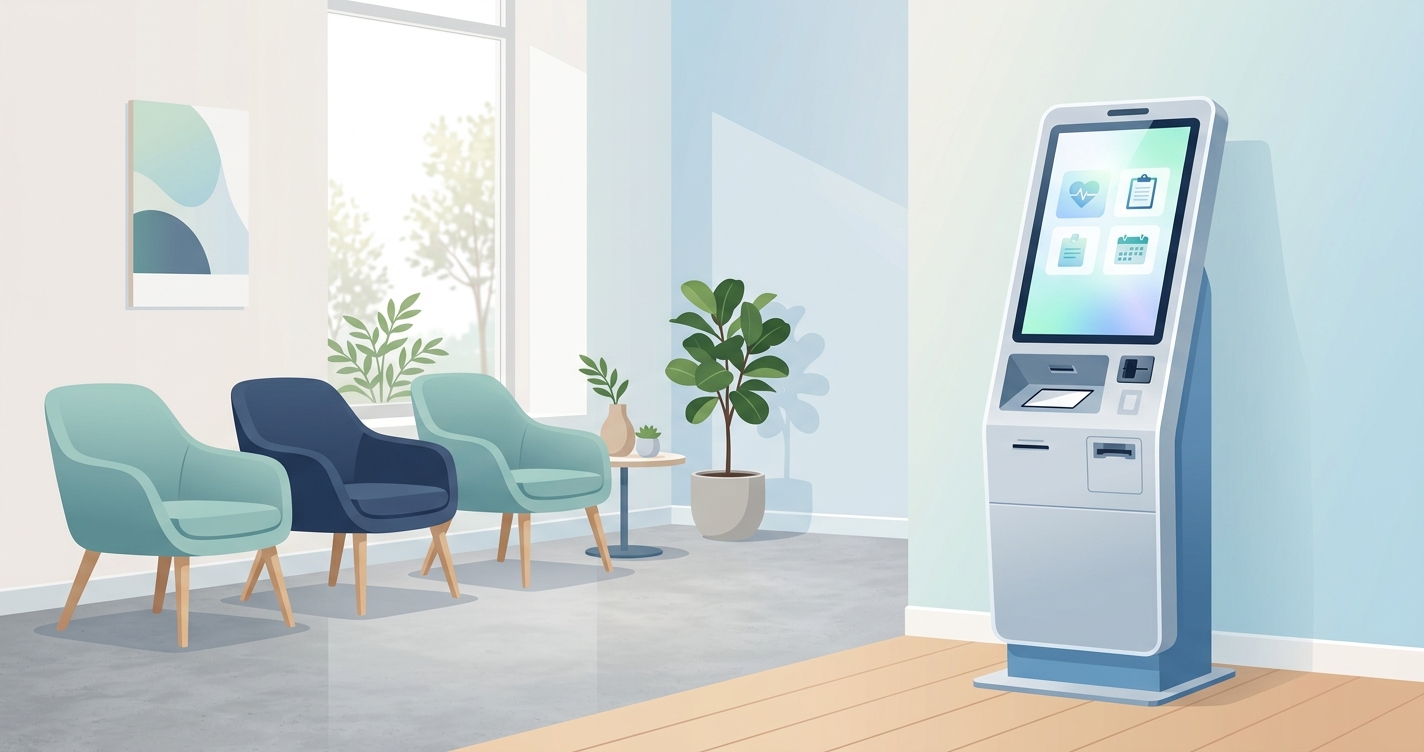
The waiting room is often the most frustrating touchpoint in a patient's healthcare journey. For decades, the check-in workflow has relied on a familiar but highly inefficient routine: front-desk clipboards, manual data entry, and a nurse taking routine physiological measurements before the patient ever sees a physician. Operating an outdated patient intake system Frustrates patients. Severely limits clinical throughput. While industries like aviation and retail digitized their front doors years ago, many medical practices remain burdened by paper-heavy workflows. As healthcare staffing shortages persist and patient volumes increase, clinic operators and the medical device manufacturers who supply them are recognizing that the traditional waiting room is no longer financially or operationally viable. Upgrading the digital front door means moving beyond mere tablet questionnaires and integrating actual clinical workflows, like contactless vital signs screening, directly into the self-service check-in process. This hardware transition represents a massive opportunity for facility managers and device engineers alike.
"Registration and intake-related errors contribute to nearly 30% of claim denials, creating a massive financial drain for clinics relying on manual data entry."
- KLAS Research, Patient Intake Management Report (2024)
Diagnosing an outdated patient intake system
When a clinic relies on fragmented workflows, the inefficiencies compound rapidly. A patient arriving for a standard fifteen-minute appointment often spends thirty minutes navigating paperwork, waiting for a triage nurse to measure their blood pressure, and sitting in the lobby. For healthcare operations managers, the signs of system failure are usually hidden in administrative overhead and declining patient satisfaction scores. Identifying these friction points is the first step in scoping a meaningful hardware and software intervention.
For hardware engineering teams, the traditional intake process requires a complex Bill of Materials (BOM). Replicating a nurse's triage station historically meant sourcing, integrating, and maintaining separate modules for blood pressure, temperature, and blood oxygenation. This fragmented hardware approach drives up manufacturing costs and creates multiple points of failure. Transitioning to a modern system means consolidating these discrete sensors into a unified, software-driven architecture.
| Feature | Traditional Manual Intake | Modern Smart Kiosk Intake |
|---|---|---|
| Data Entry | Paper forms transcribed manually by front desk staff | Self-service digital entry with direct electronic health record integration |
| Vitals Capture | Nurse using dedicated physical cuffs, clips, and thermometers | Embedded contactless camera measuring vitals passively |
| Error Rate | High risk of transcription errors and missing fields | Low risk due to direct patient input and automated transfer |
| Patient Wait Time | Prolonged by sequential administrative and clinical triage steps | Minimized through simultaneous registration and health screening |
| Hardware Overhead | Multiple specialized devices requiring sanitation and maintenance | Single all-in-one terminal with software-based measurement |
Here are the five leading indicators that a clinical facility is operating an outdated patient intake system and requires a hardware upgrade:
- Sign 1: Wait times consistently outlast the actual consultation. When the median emergency room wait time hovers near three hours and primary care clinics struggle to keep schedules intact, the bottleneck is rarely the physician. It is the sequential process of verifying insurance, transcribing history, and capturing baseline vitals. An outdated patient intake system forces patients to wait in multiple queues: one for the front desk, one for the triage nurse, and one for the exam room.
- Sign 2: Administrative error rates are driving up claim denials. Manual transcription is inherently flawed. Studies indicate that nearly 20% of manually entered patient data contains errors. A misspelled name or a transposed digit in an insurance identification number leads directly to costly billing rejections and duplicated administrative work for the back office.
- Sign 3: Triage nurses are acting as data entry clerks. Clinical staff are trained to evaluate patient health, not to transcribe numbers from a blood pressure monitor into an electronic health record. When highly trained staff spend their shifts typing and managing clipboards, the clinic is wasting critical medical resources. This dynamic accelerates nurse burnout and reduces the volume of patients a clinic can process daily.
- Sign 4: Broken and lost peripheral devices. Traditional triage requires pulse oximeters, blood pressure cuffs, and handheld thermometers. These physical peripherals are easily misplaced, frequently damaged, and require constant manual sanitation between every patient. Every physical sensor added to a clinic increases the likelihood of a hardware failure. Furthermore, the strict infection control protocols required for contact-based medical devices dictate that staff must thoroughly clean each component after a single use, negating the self-service value proposition of a modern kiosk.
- Sign 5: Patient satisfaction scores are dropping. Patients accustomed to frictionless digital experiences in retail, banking, and travel find the manual healthcare check-in process jarring. Long waits and repetitive paperwork directly correlate with a lower perception of care. In a consumerized healthcare market, patients will actively seek out providers who offer a more streamlined, modern check-in experience, directly impacting the long-term financial health of the practice.
Industry applications for modern check-in hardware
Moving away from an outdated patient intake system requires deploying smart hardware designed specifically for distinct clinical environments. Device manufacturers are responding by building tailored form factors for different medical settings.
Urgent care and walk-in clinics
High-volume, low-acuity environments require rapid triage. Kiosk manufacturers are building self-service terminals equipped with embedded remote photoplethysmography (rPPG) software. These systems allow a patient to complete their registration questionnaire on a touchscreen while a standard camera silently measures their heart rate and respiration rate. This simultaneous processing clears the lobby faster and categorizes patient acuity before a nurse even calls their name.
Primary care and specialized practices
In specialized practices, detailed patient histories are critical. A modern intake system ensures that forms are completed digitally prior to the visit or upon arrival at a dedicated terminal. By eliminating the manual transcription of these histories and automating baseline physiological checks, primary care clinics can reclaim thousands of lost hours annually. This operational efficiency allows providers to spend more time on actual diagnosis and treatment rather than data review.
Enterprise health systems and hospital lobbies
Large hospital networks process thousands of visitors and patients daily. An outdated patient intake system at this scale results in crowded lobbies that pose infection control risks and security challenges. Enterprise-grade smart kiosks can process patient arrivals, verify identity using secure credentials, and capture basic health metrics without requiring staff intervention. This approach drastically reduces the physical footprint needed for front-desk operations.
Telehealth and hybrid care models
The definition of the waiting room is expanding. Digital front doors now include pre-visit telehealth screenings. Integrating physiological measurement into the patient's own mobile device or a specialized remote care tablet ensures that the clinician has real-time data at the start of the virtual consult, mirroring the thoroughness of an in-person intake process without the physical wait.
Current research and evidence
Recent data highlights the urgent need to address intake inefficiencies. In a 2024 analysis on patient intake management, KLAS Research found that automated patient intake solutions significantly improve patient engagement and satisfaction while delivering measurable cost savings to healthcare organizations. The transition away from manual entry is not just about patient convenience; it is a critical revenue defense strategy.
Furthermore, a December 2025 Medical Group Management Association (MGMA) report identified reducing wait times and optimizing patient access as top operational priorities for 2026. The manual workload associated with outdated workflows, including phone-based scheduling, faxed referrals, and paper registration, costs medical practices time they cannot afford to lose. Research indicates that automated patient intake processes can decrease wait times by up to 35% and reduce front desk administrative burdens by 50%. Facilities that cling to manual intake processes are statistically more likely to experience higher staff turnover and lower operational margins.
The future of patient flow management
The future of clinic operations relies on converging administrative and clinical intake into a single, frictionless step. Kiosk manufacturers and medical device engineers are leading this transition by embedding software-based physiological sensors directly into self-service displays.
Rather than treating check-in as a purely administrative task, the next generation of hardware transforms the kiosk into an active triage endpoint. Using technologies like embedded rPPG, a simple tablet or smart screen can measure a patient's vital signs simply by looking at their face while they verify their insurance. This eliminates the need for separate physical peripherals, drastically reduces sanitation requirements, and allows clinical staff to focus on direct patient care rather than data collection. As edge computing becomes more powerful, these kiosks will increasingly process health data locally, ensuring complete patient privacy while delivering instantaneous results to the attending physician.
Frequently asked questions
What makes a patient intake system outdated? A system is considered outdated if it relies on manual transcription, paper forms, sequential triage steps, and physical peripheral devices that require constant manual sanitation. These factors contribute to extended wait times, high error rates, and staff burnout.
How does a smart kiosk reduce intake errors? Smart kiosks integrate directly with electronic health records and allow patients to input their own data. By removing the front-desk staff from the transcription process, clinics eliminate the primary source of data entry errors, which directly reduces billing denials.
Can a patient kiosk really measure vital signs? Yes. Modern clinical kiosks can be equipped with embedded remote photoplethysmography (rPPG) technology. This software analyzes micro-color changes in a patient's face using a standard camera to calculate vital signs like heart rate and respiration rate without physical contact.
Are digital intake systems difficult for older patients to use? When designed correctly, modern self-service terminals are highly accessible. Features like large touch targets, high-contrast displays, and voice assistance ensure that digital intake is manageable for populations that may struggle with traditional small-print paper forms.
If you are building the next generation of self-service medical devices or looking to solve the pain of an outdated patient intake system, adding contactless health screening is the most direct path to differentiation. Circadify provides the embedded rPPG software engine required to turn any standard camera into a vital signs monitor. For hardware engineering teams and clinic operators ready to eliminate waiting room bottlenecks, review our hardware integration guide to see how easily contactless vitals can be added to your smart kiosks and tablets.